Small business blogs are a great way to connect with your customers, but running one can feel like another task on top of an already packed to-do list. You might even be thinking, ’is it really worth it in 2025?’
Blogging takes up time and resources, and for it to have a real impact on your business, you’d ideally want to be posting relevant, useful content at least once a month. That said, blogging offers tangible benefits for small businesses – not least because it helps improve visibility in search engine results and attracts potential customers.
Whether or not you really need a blog though, depends on the nature of your business and what you hope to achieve by having one. So, do small business blogs still matter in 2025? Here’s everything you need to know…
How have small business blogs evolved?
Blogging was huge in the early 2000s, with platforms like LiveJournal and Blogger making it easy for people to document their lives online.
PostSecret and Girl With A One Track Mind are just two examples of blogs that gained massive followings and made headlines across the world for their success. I’ll always remember reading the accompanying PostSecret books at Uni in 2006, and being shocked at some of the deepest, darkest secrets people had willingly shared!
But in recent years, there’s been a real shift in the blogging landscape. What began as space for personal stories and casual updates has evolved into a professional marketing tool. Major companies like HubSpot now use blogs as a way to build brand authority, attract visitors, and generate leads.
This evolution coincided with the rise of social media and, more recently, AI. Today, many people prefer short-form content that’s faster to produce and garners more visible engagement through comments, likes and shares. It’s no wonder, then, that some business owners view traditional blogging as outdated and question whether it’s worth the time and effort required to run one.
And yet, your readers aren’t just human anymore. They’re also the search engine bots, also known as crawlers, that decide how trustworthy, relevant or authoritative your website is. These bots may be your most important “readers,” since they play a key role in determining your search engine ranking.
Five benefits of small business blogs
1. They boost visibility on search engines
- When your content ranks higher on the search engine results pages (SERPs), more people will find your product or service organically.
- As your readers are both human and search engine bots, you’ll be writing posts for potential customers and website crawlers. The crawlers gather data for the search engines and help sites like Google understand what your business is or does.
- AI tools like ChatGPT synthesise content based on web data and search engine results, instead of crawling individual websites directly. This increased visibility brings in more organic traffic, boosts website authority, and attracts more customers.
- Blogs also support ‘long-tail keyword targeting’ – an SEO strategy that focuses on specific phrases (this is usually anything over three words). These longer keywords target more niche audiences and drive more traffic towards your website than generic keywords.
- Posting quality content frequently shows Google that you’re an expert in your field, and is currently a key factor for SEO.
2. They build trust and authority
- Blogs can improve your reputation as a reliable, knowledgeable and respected authority within your field. You can achieve this by publishing relevant, well-researched content that is genuinely helpful to your readers.
- If you’re a florist, for example, you could run seasonal spotlights on flowers, offer a behind-the-scenes glimpse into a recent job (like a wedding), or create guides for DIY arrangements.
- People care about transparency more than ever in 2025. When you’re open about what you do and how you do it, customers are far more likely to come back.
- Consistently sharing helpful information shows how well you know your subject and helps you connect with your audience.

3. They answer questions and educate customers
Do you get the same queries from clients and customers time and time again? If so, why not answer them on your blog?
Start by thinking about what people ask you all the time, over email, phone or social media. You could also use Google’s ‘People Also Ask’ feature to discover some of the most commonly searched queries about your industry online.
Once you have a list, make the question the title of your post and answer it like you’re chatting with a real person. Unlike an FAQ page, this lets you answer the question in more depth.
For example, if you offer hair or makeup trials, don’t just say what your client should bring to their appointment, but also what they should leave at home.
4. They support other content, such as social media and email
- Blogging can support your social media platforms to help you reach more people and get more click-throughs to your website.
- Provide content that can be broken down into shorter, more digestible posts. Sharing this content not only helps you stay active on social media, but also showcases your expertise, building trust with your audience.
- The same content can also be shared in your email marketing campaigns, with links back to the original post on your website. These links, called back links, are another key element of SEO.
5. They improve how people engage with your website
- Having a blog can also help people navigate your website and improve how visitors engage with your content. E.g., posts might include links to other pages, such as your services page or contact information, which keeps people on your website for longer.
- Updating your blog regularly with fresh content helps to attract new visitors and also gives old visitors a reason to return.

When are small business blogs not necessary?
If your goal is to improve your search engine rankings and bring in organic traffic, a blog remains one of the best ways to do this. But not every business needs a blog, and sometimes it can even work against you.
A successful post takes effort, and if you don’t really enjoy writing, then it might be a waste of your time. It’s far better to have no blog at all than one that’s outdated, irrelevant, or badly written.
Some businesses may find it easy to generate online article ideas, while others may struggle to think of something relevant or engaging. This is especially true for a highly localised business like a dry cleaner or a restaurant, where topics might not seem obvious at first.
However, even hyper local or niche businesses can benefit from blogging by focusing on location-based content, answering common questions or sharing behind-the-scenes insights.
That said, if you are stretched for time or you don’t enjoy writing, you may get faster results using social media or targeted advertising.
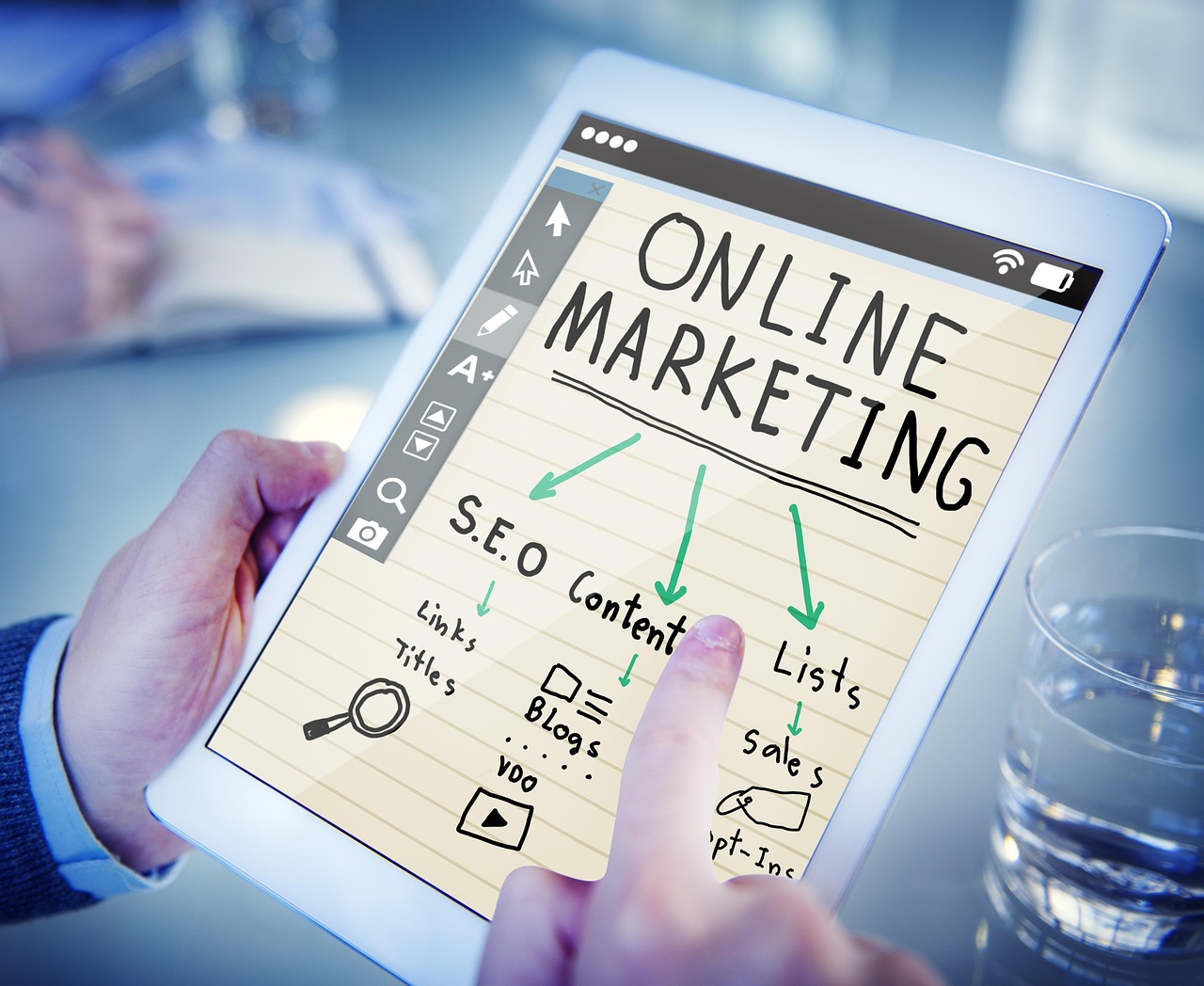
Does my small business need a blog?
If your goal is to get found online or bring in more leads, then yes – your business will benefit from having a blog. It helps increase brand awareness, builds trust with potential customers, and gives you a way to connect directly with your target audience.
Blogging is also a cost-effective form of content marketing and, website hosting costs aside, is a budget-friendly way to stay competitive. If you’re currently not doing much to build your online presence, then a blog could be your first step towards reaching these goals.
What if you don’t have time to blog?
Before committing to a blog, it’s important to be realistic about how much time you can dedicate to it. You should ideally be producing written content at least once a month, but how often you post really depends on your time and the resources available to you.
Google values quality over quantity, so it’s far better to produce one well-written, valuable post per month than to churn out multiple posts that aren’t really helpful or relevant to your industry.
Avoid using AI to write your small business blogs. By all means, use AI tools to help you brainstorm or build post outlines (treat these tools like a knowledgeable friend). However, your final content must be authentic, accurate and sound like you. Your readers and Google can tell the difference!
If you don’t have time to blog, why not consider some alternative content marketing solutions? Video content, podcasts, e-newsletters and infographics for social media are all brilliant ways to drive traffic towards your website and build leads.

Blogging is far from dead
Do small business blogs still matter in 2025? The short answer is yes – if you want to grow online, then blogging is one of the most cost-effective ways to make that happen.
Effective blogging is all about creating well-written, valuable content on a consistent basis. This helps drive organic traffic, builds authority and trust, and guides readers from first discovering your business right to making an inquiry or purchase.
Your articles can also be repurposed across other marketing channels, like social media or email.
In a time dominated by AI-generated content, well-researched, authentic articles hold great value for readers, and that value will only increase as the digital space gets more crowded. Even if blogging feels like a big commitment, original content offers meaningful, long-term benefits that can truly set your business apart.
Thinking of starting a small business blog? Begin by brainstorming three questions your customers ask most, and turn each one into a post.
